
Finding the Edge to Get Shit Done
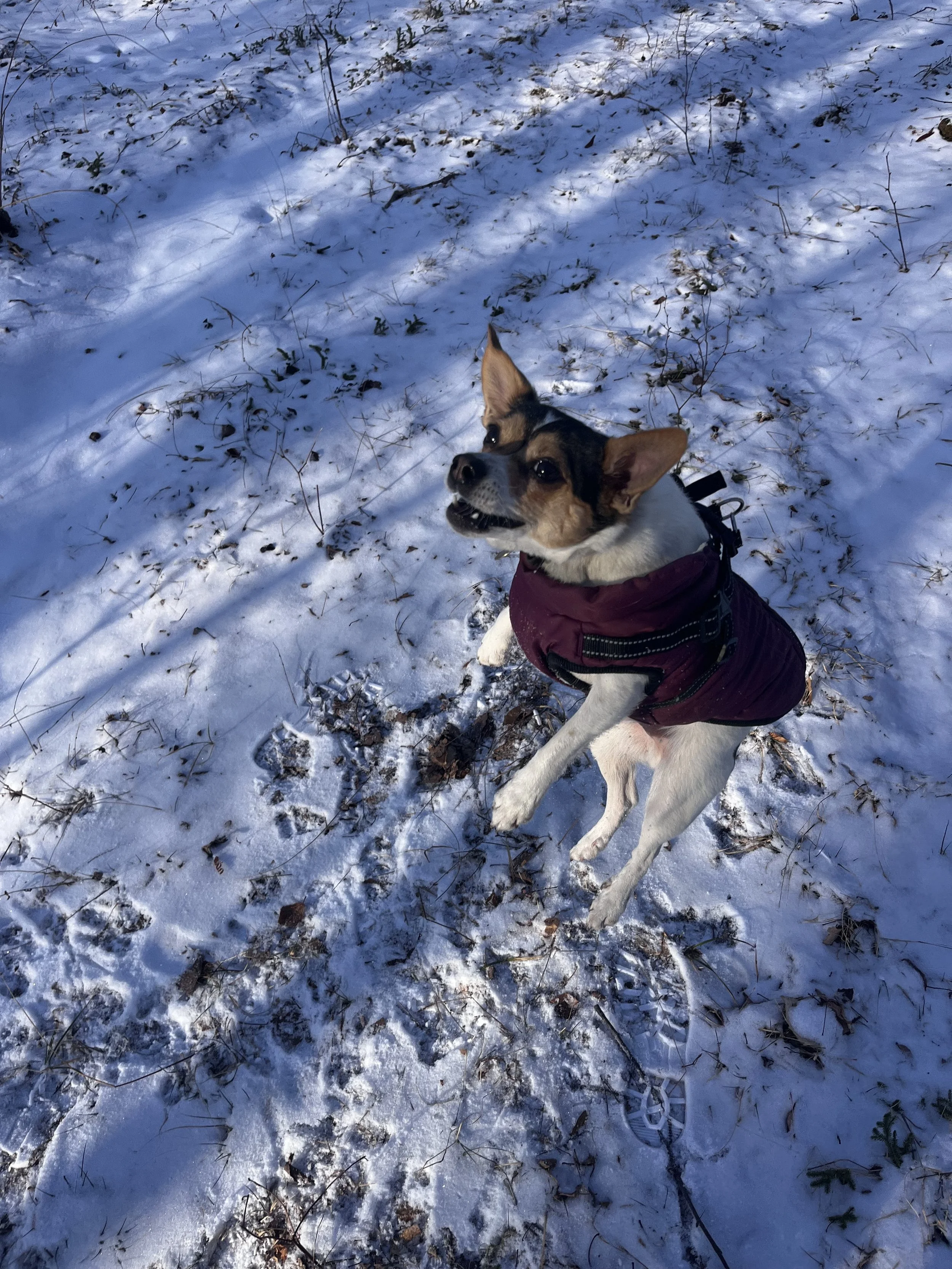
Winter in the Catskills is when you learn if you really want to be country. It is magical, majestic and absolutely unrepenting.
Last night I came home from work, bone chilled, brain tired. In one of those of those tired obsessive moods, where you turn over the same old thought again and again. The house was cold and I knew that if I made a fire my life quality would improve by 1000%.
If you haven’t relied on a wood stove for heat you might not know that making a fire can take anywhere between 5 minutes and an hour, depending on the materials and the mood. It is a mediative practice that is great for building patience and it’s also really not what you want to do when you are braindead and tired.
After a half hour of dissociating, my winter jacket still on, I caught myself and decided to go scrounging for some cardboard (a precious resource since I finally canceled Amazon). I put on some music, I sat down and I got to work. Later, reading a good book in front of the glowing logs, toasting my feet, I thought about the edge one needs to get over to “live well”.
This moment, where you struggle to do something that will make you happier because you don’t have the internal combustion feels like the energetic pattern of this era. I do know some magical beings who can propel themselves out of the house at 10pm for a run, but from being an herbalist for the last few years I would say not most of us.
Most people know that exercise, or eating more home cooked food, or spending time in nature will feel better than doomscrolling for the same amount of hours. So why is it so hard to do?
Dopamine is one of the hormones involved in motivation. You might have heard that dopamine is easily released from unpredictable, novel stimulus - aka social media and a lot of TV. As we use these mediums more and more our brain gets used to seeking quick rewards rather than anticipating the big payoff of disciplined effort.
The prefrontal cortex of your brain is highly energy-dependent, and when you are tired this region becomes impaired, making impulse control, decision making and effort evaluation more difficult.
Chronic stress results in imbalances of cortisol - a hormone that responds to stress by shutting down non-essential functions and focusing on survival needs. High cortisol desensitizes dopamine receptors making motivation tougher, low cortisol feels like physical and mental exhaustion.
Maybe this information will help you feel more at peace with yourself when you can’t get yourself to take care of yourself at the end of a stressful day? It can also be helpful information about where to intervene if you don’t feel like you’re doing what you want with your life. Some suggestion I have are:
Adrenal supporting herbs like Tulsi, Milky oats and Ashwagandha, which can have effects like reducing cortisol levels, increasing dopamine, and normalizing the circadian rhythm.
Think of your dopamine like a muscle that needs exercise. Strengthen your ability to release more by detoxing from easy hits and increasing your experiences of reward from higher effort practices.
Integrate rewards for harder activities. I have a list at the end of the day where I check off when I’ve stretched, drank enough water, or walked the dogs. It may sound small but that little checkmark really helps me to stay committed and feel rewarded.
Why is this the topic of my first newsletter and blog of my website? Likely because sitting down to write on a computer takes an absolutely incredible amount of effort for me - even though I know it’s pretty necessary to do in order to communicate the ideas in my head to the outside world when living in a town of 500.
What do you do to get over the hump?
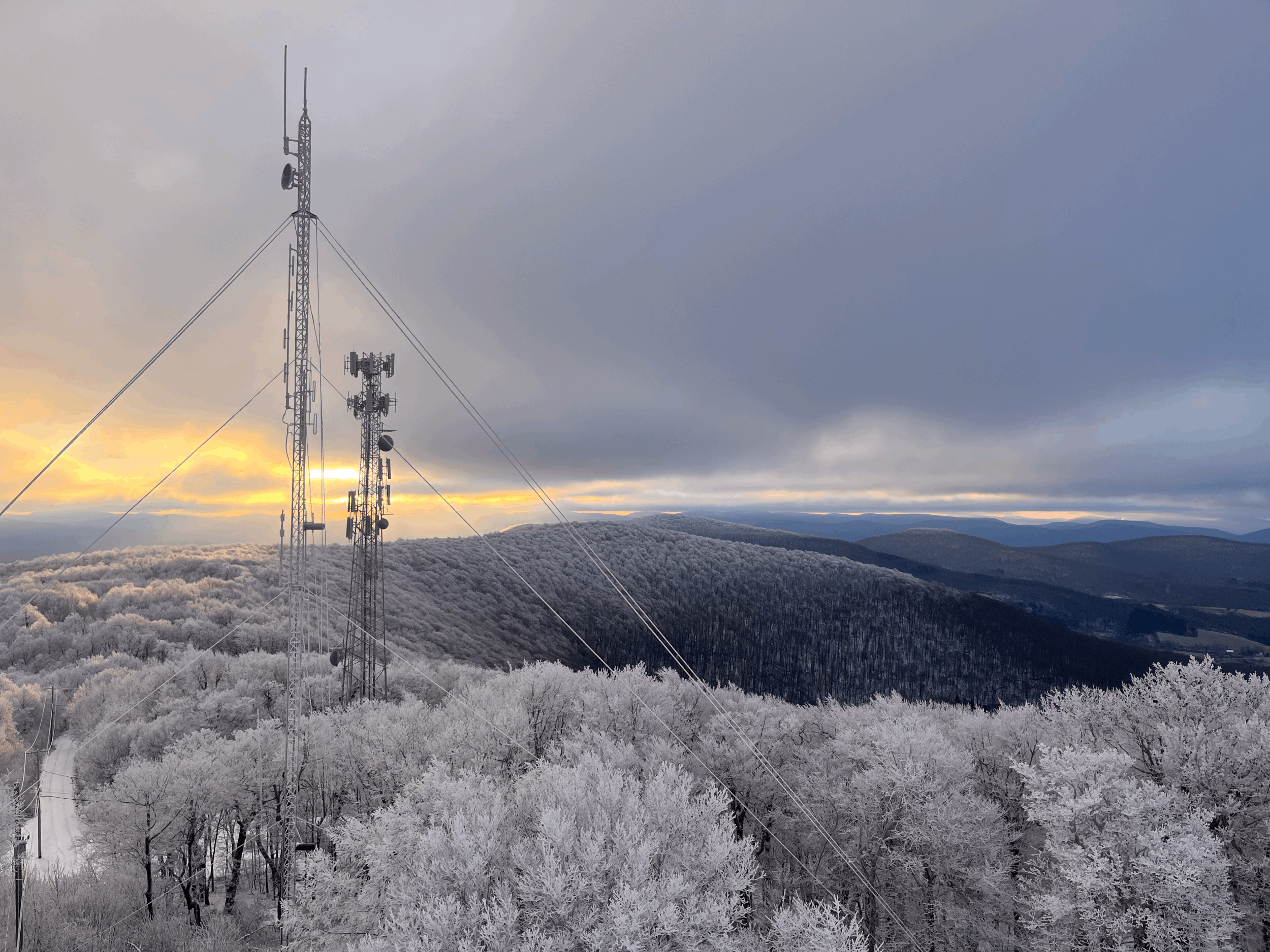
The Catskill mountains on Solstice morning